The impact of agentic AI on your catalog: preparing Adobe Commerce for shopping agents
The new e-commerce challenge
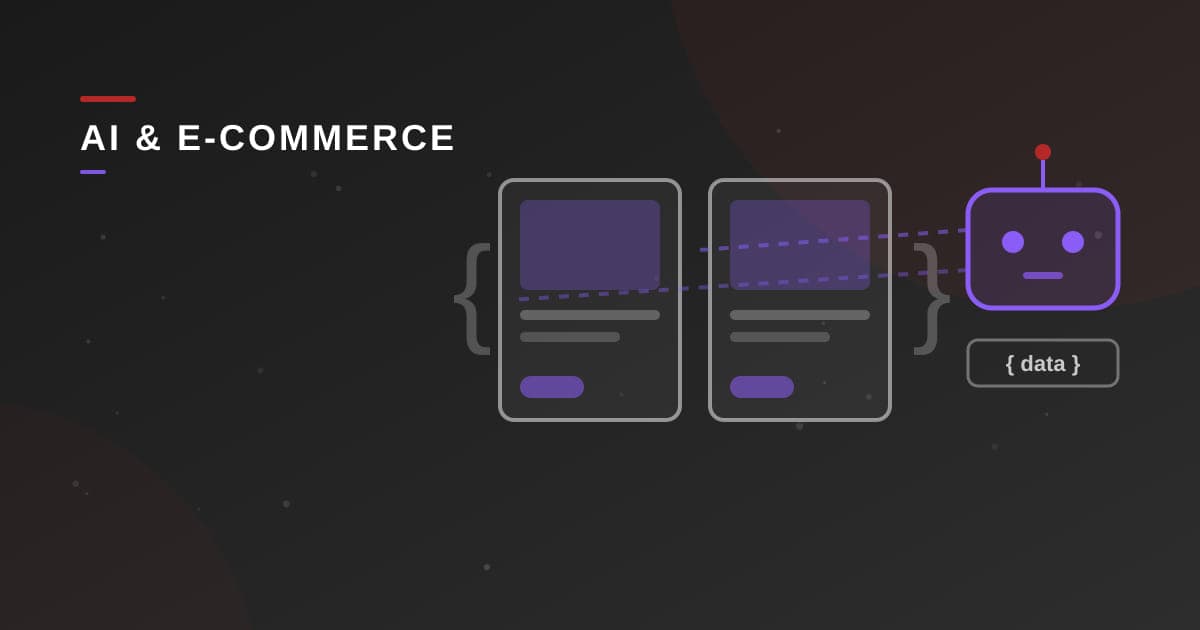
We've always optimized our product pages for humans: layout, images, variants, UX, SEO. But with the arrival of LLMs and shopping agents, a new layer is added: AI agents must be able to understand your catalog.
Why it matters
When a customer uses an AI assistant to find a product, the agent will:
- Analyze your catalog
- Understand product attributes
- Compare options
- Make a recommendation
If your product data is hidden in accordions, popups, or worse, if key attributes are missing, the agent will bypass your products — exactly like a misconfigured search engine.
How to prepare your Adobe Commerce catalog
1. Structure your product attributes
Every attribute must be clearly defined with complete, normalized values. Avoid free-text fields for structured data.
2. Make the catalog accessible via APIs
AI agents consume content through APIs. Ensure your Adobe Commerce catalog exposes data via GraphQL comprehensively.
3. Enrich with contextual data
Beyond technical attributes, add rich descriptions, use cases, size guides — anything that helps an agent understand a product's relevance for a given need.
Conclusion
Product discoverability is no longer limited to search bars and filters. It's becoming about how readable your catalog is for humans, search engines, AND now AI agents. This is the next big frontier in e-commerce.
Want to audit your catalog's AI readability? I can help.
I can help you.
Let's discuss your project.